Engineering notes · Published on LinkedIn
“How much do you trust AI-written code when you deploy it?”
This happened just three days after I wrote those words.
“How much do you trust AI-written code when you deploy it?”
This happened just three days after I wrote those words.
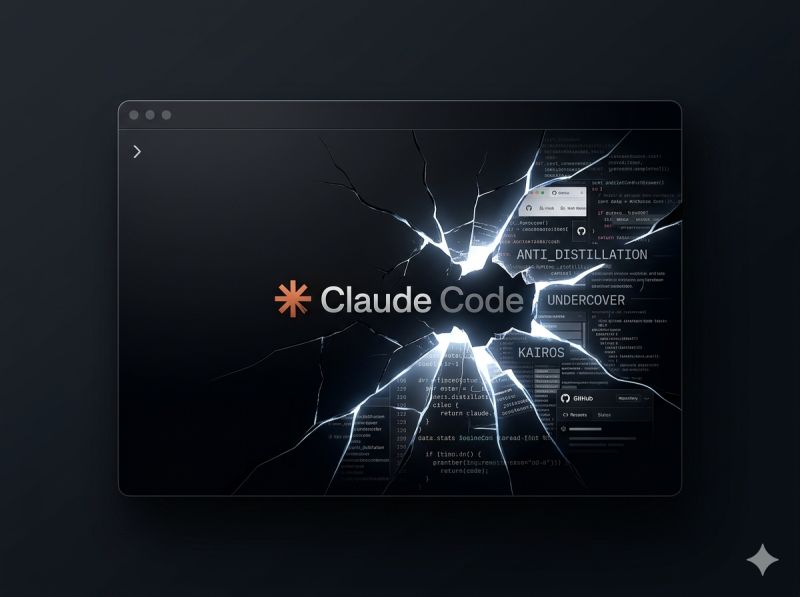
On March 31, 2026, the entire source of Anthropic’s Claude Code CLI leaked. A .map file had shipped in the npm package, exposing the actual source behind the obfuscated bundle.
What matters most to me is what was inside:
• ANTI_DISTILLATION logic intended to prevent competitors from training on its output
• An Undercover mode for concealing that code was AI-written
• Regex-based sentiment detection to identify user frustration
• A previously undisclosed autonomous agent mode, KAIROS
• Client-blocking logic in the native layer
• A bug responsible for 250,000 unnecessary API calls a day
It was a glimpse of the AI tools we use as systems that already embed complex policies and intentions.
The cause was particularly ironic. Anthropic had acquired Bun and was building Claude Code on it. A known Bun bug led to source maps being included in production. The company that built the tool was exposed by a risk in the tool itself.
Three days ago I asked, “How much do you trust AI-written code when you deploy it?” Today my question is, “Do you understand the system that produced that code?”
The risks I see lie in the structure behind the code, its policies and its invisible features. They’re easier to miss precisely because we didn’t build them ourselves.
Development no longer ends with verifying the code. We need to take responsibility for the tools we choose, how they work and the risks they carry.
🌟 In three days my question changed. From “Can I trust it?” to “Do I understand it?”
#AI #SoftwareArchitecture #ClaudeCode
All essays