Engineering notes · Published on LinkedIn
“I even put together an AI team. Why did its performance vary just like a human team’s?”
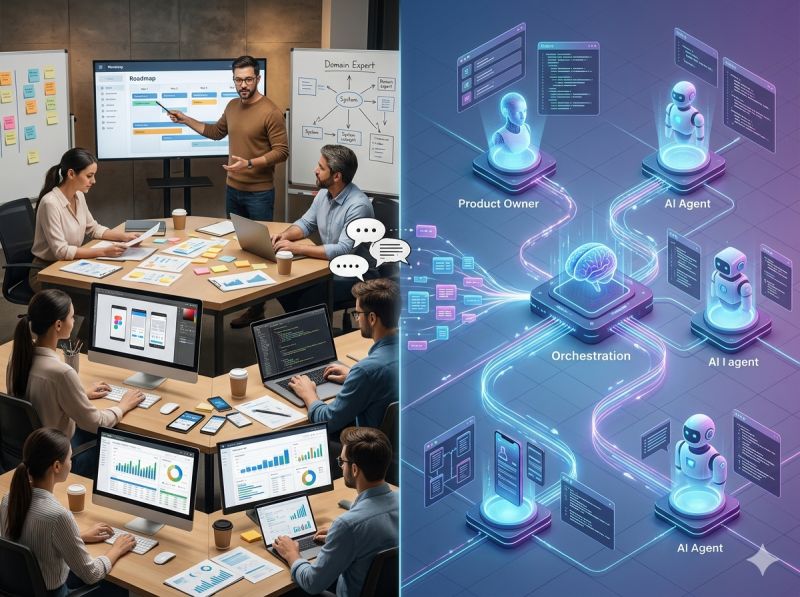
Today I tried several ways of organizing subagents. I started by simply adding agents. Then I divided roles, assigned responsibilities and defined each job more precisely.
“I even put together an AI team. Why did its performance vary just like a human team’s?”
Today I tried several ways of organizing subagents. I started by simply adding agents. Then I divided roles, assigned responsibilities and defined each job more precisely.
The clarity of the job descriptions and the boundaries between agents made a huge difference to the visibility of the work and the quality of the result. Adding more agents didn’t improve performance on its own. As I moved toward orchestration, the problem increasingly became one of organizational design.
Who decides? Where does each person’s responsibility end? Who resolves a conflict? Leave those questions open and you get the same confusion you see in human organizations.
I came away thinking that results depend on how well you design the team. HR and organizational operations enter the picture directly: dividing roles and responsibilities, setting boundaries and designing the decision-making structure.
AWS shares reference architectures. I think sharing team structures and job-description templates for AI collaboration could do a lot for productivity, too. Transplanting organizational structures that have proven their worth in particular industries into AI teams may well become standard practice. It seems worth pooling our experience to build those references together.
#AIAgent #조직설계 #Orchestration
All essays